Spend your trading profits - skip the bank entirely
You keep USDT as your base. Moving it to a bank is slow, taxed and KYC-heavy. These cards let you spend stablecoins straight from your exchange or wallet - instantly.
Your daily friction
- Withdrawing to a bank is slow, creates a tax paper-trail, and triggers KYC reviews.
- Off-ramps charge spreads and fees just to touch fiat.
- Your USDT sits idle on a CEX when you actually want to spend it.
- Custodial cards can freeze funds right when you need them.
- Cross-border spend gets hit with 2–3% FX.
What the right card does
- Spend directly from your exchange balance or self-custody wallet.
- No / low KYC options for fast setup and privacy.
- 0% / low FX so you keep more of every trade.
- Self-custodial cards - your keys until the moment you tap.
- High per-transaction limits for bigger spends.
What traders should weigh
Best cards for traders
Ranked for your priorities. Featured pick first.
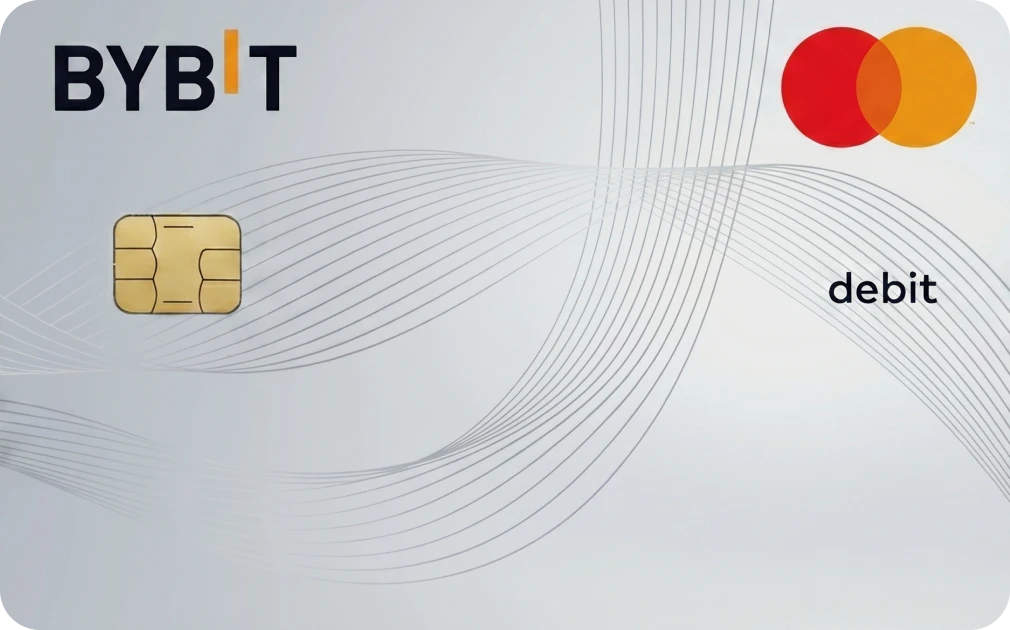
Bybit Card
Virtual + Physical · Custodial
ether.fi Cash
Virtual + Physical · Non-custodial · Investor: Bullish
Fizen Card
Virtual · Self-custodial · Investor: Tether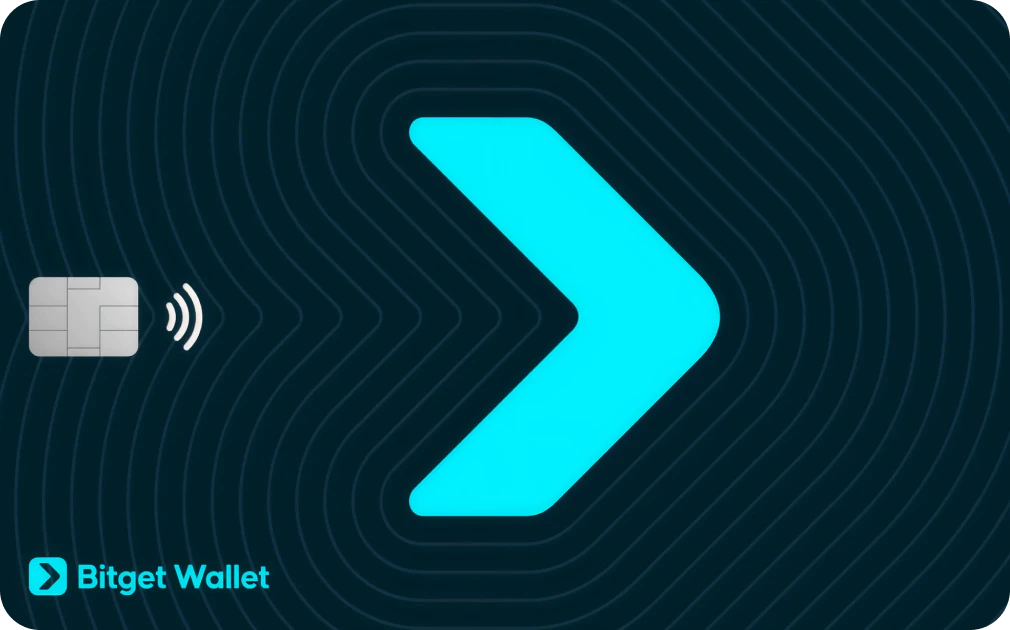
Bitget Wallet Card
Physical · Self-custodial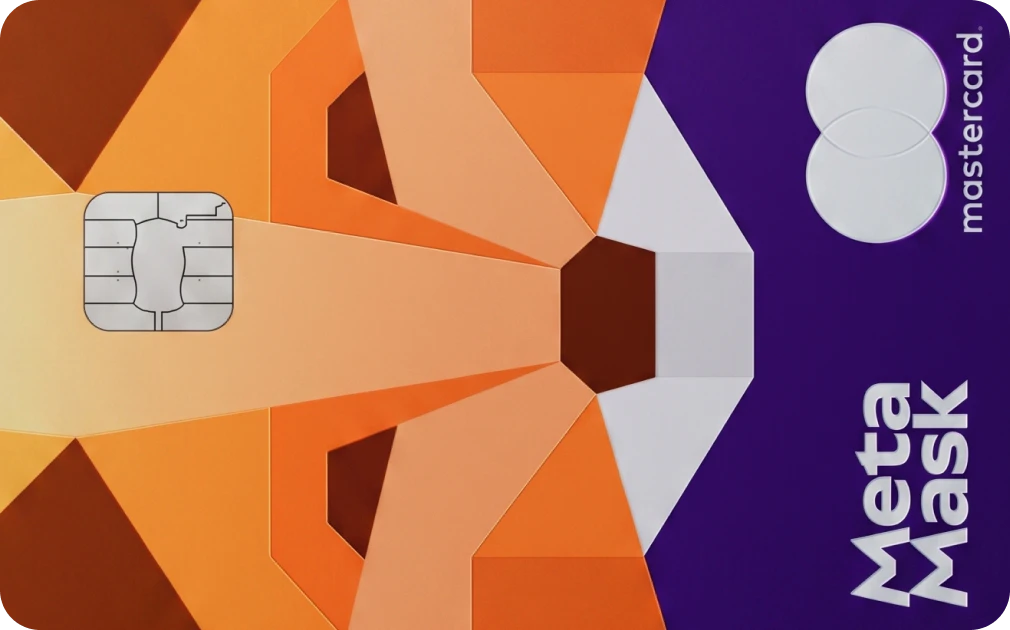
MetaMask Card
Virtual + Physical · Non-custodial · Investor: Consensys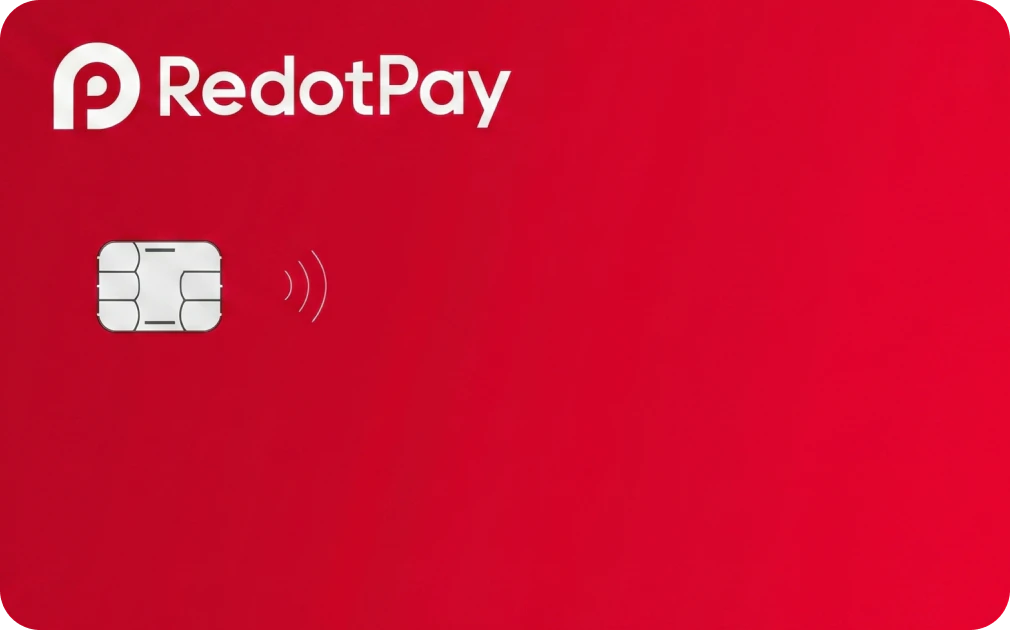
RedotPay
Virtual + Physical · Custodial · Investor: LightspeedEducational only - not financial advice. Verify fees, limits, KYC and regional availability with each issuer. Some products exclude US & VN.
Traders - common questions
How do I spend USDT without cashing out to a bank?
Use a crypto card that draws from your exchange balance or wallet. You convert at point of sale, so there's no separate bank withdrawal - and no wire delay.
Are there no-KYC cards for traders?
Yes. Several non-custodial cards issue with minimal or no KYC, often via app or Telegram. Trade-offs are usually lower limits and fewer regions - see our no-KYC guide.
Is spending USDT a taxable event?
In many jurisdictions, spending crypto can be a disposal. This site is educational only - check your local rules or a tax professional. A card doesn't change your tax obligations.
Self-custodial vs custodial - which is safer to spend with?
Self-custodial keeps your keys until you authorize a spend, reducing freeze/counterparty risk. Custodial cards can be more convenient but rely on the issuer holding your funds.
Turn USDT into real-world spending
Pick your custody and FX priorities; we'll match the cards that fit how you trade.